Validate Before You Build: How the Studio Tests an Idea
Most startups don't fail because they can't build the product. They fail because nobody needed it. How SSQ Startup Studio pressure-tests an idea before writing code.
 Rani Alami3 min read
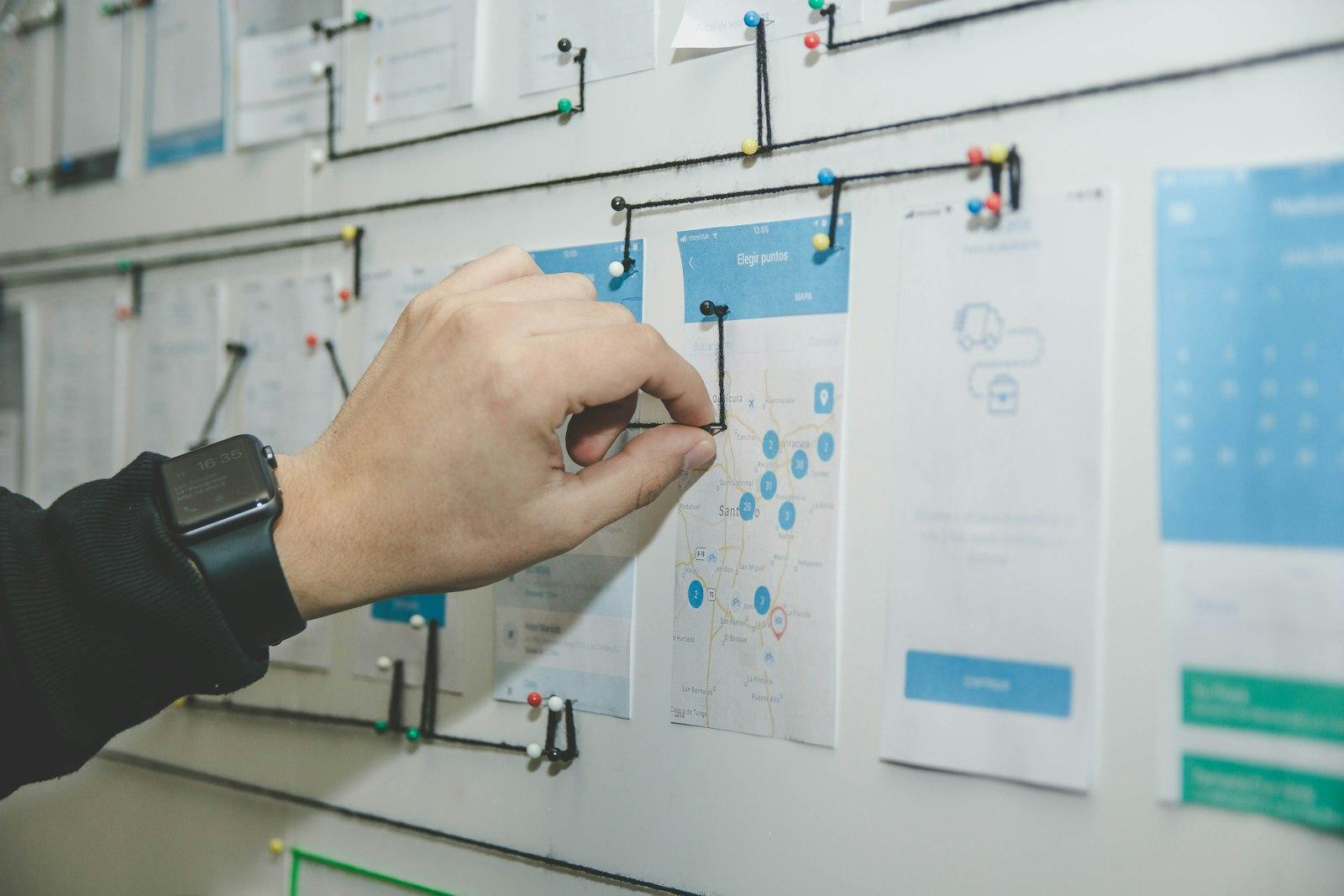
At SSQ Startup Studio, an engineering team is ready to build. That makes the temptation to start coding right away very strong. We resist it, because the most expensive mistake a venture can make is building something well that nobody needs.
Every idea that comes into the studio goes through the same first step, Identify. Its job is to answer one question as cheaply as possible: is this problem real, painful, and worth paying to solve?
Start from friction, not from a solution
The strongest ideas we see start with an industry insider describing a problem they live with every day: the spreadsheet that runs a whole department, the phone calls that stand in for a missing system, the workaround everyone hates. We look for founders who know that friction firsthand.
Talk to people before designing anything
We hold conversations with potential customers before any design work starts. Not pitches, conversations. We ask how they handle the problem today, what it costs them, and what they've already tried. If nobody has ever tried to solve it, that's a warning sign: the pain may not be strong enough.
Look for evidence of commitment
Compliments are free. Commitment isn't. Signals we take seriously:
- Someone agrees to a follow-up meeting with their decision-maker
- A company offers to pilot a rough version
- A customer puts down a deposit or signs a letter of intent
- People already pay for a clumsy alternative
Size the opportunity honestly
A real problem still has to be a big enough business. We estimate how many customers have the problem, how much they spend dealing with it today, and how we'd reach them. The goal isn't a precise forecast. It's to catch ideas that are genuine but too small to support a company, or that depend on a sales channel nobody on the team can open.
Test the outcome before building the machine
Often the fastest test isn't software at all. A landing page with a sign-up form, a service delivered by hand behind a simple interface, or a clickable prototype can show whether people want the outcome before we build the system that delivers it.
Decide, and write down why
At the end of Identify, an idea moves on to Engineer, gets reshaped, or stops. All three are good outcomes. Stopping early frees capital and people for an idea with stronger evidence, and the notes we keep make the next evaluation sharper.
If you know an industry's friction from the inside and want to build the company that fixes it, we'd like to hear from you.
About the author
Rani Alami
Business Development & Marketing Advisor
Rani serves as the Business Development & Marketing Advisor, guiding the company on strategies for sustainable revenue growth and powerful brand presence. Drawing on extensive experience in international business and technology solutions, he specializes in identifying new opportunities and scaling commercial operations.